
Species name: Galanthus nivalis
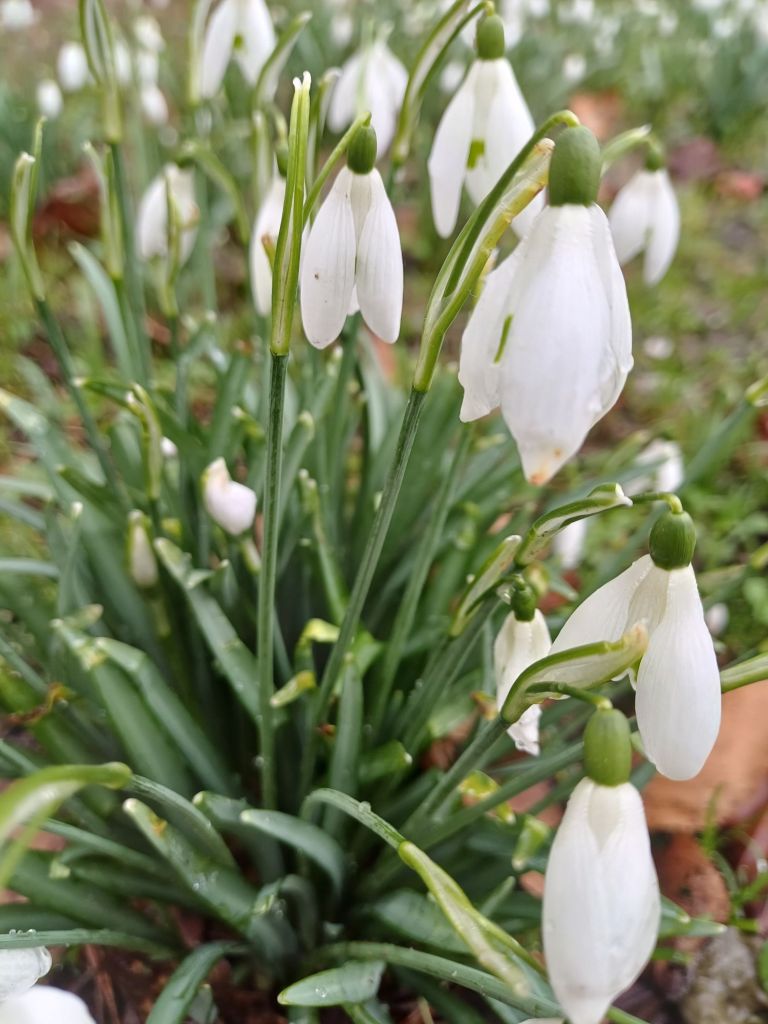
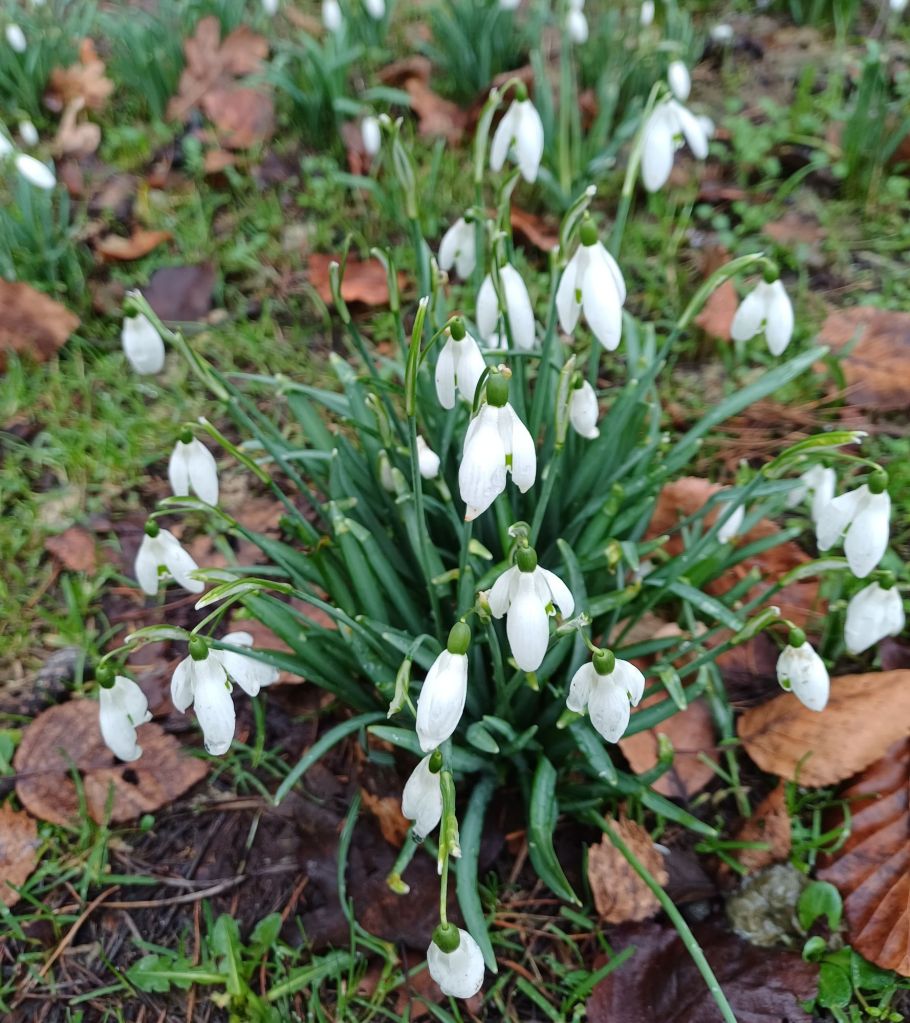
The snowdrop is a type of wildflower which often blooms in January and flowers until March with a widespread distribution across the UK, with it being able to flower in grasslands, freshwater ecosystems, wetlands, woodlands, towns and gardens. They can be identified by their nodding white flowers, with three petals, on top of a single stem, with the plants also forming within clumps (The Wildlife Trust, ND).
Its conercation status is listed as near threatened on the global IUCN red list of threatened species, this means it’s close to be considered threatened in the future, but currently are not, but still many require conservation management. They tend to be threated due to habitat destruction, illegal collection and climate change. This has led to the collection of the bulbs in many countries to now be illegal, CITES has also made the international trade of any form of snowdrop illegal without a permit (CITES,)
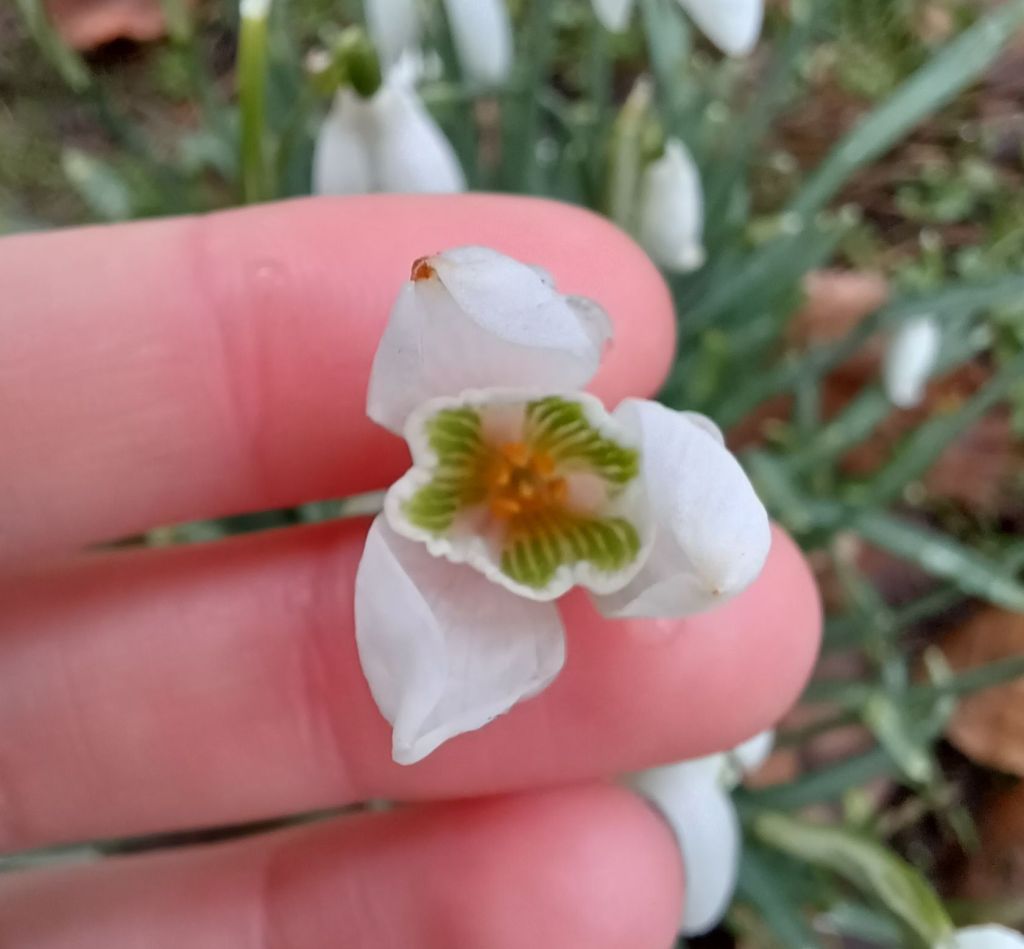
They are native to Europe and the Middle East, they are able to naturally spread through bulb propagation and seed dispersal. Bulb propagation is when the bulb produces ‘offsets’ around the parent plant, which allows them to multiply, with a snowdrop bulb being able to increase by 1-3 bulbs per year. Snowdrop seeds are primarily dispersed by ants, via myrmecochory, which is a mutualistic relationship where the plants provide food for the insects in exchange for seed dispersal. The seeds have a nutrient-rich appendage called ‘elaiosome’ which is what attracts the ants, and is also what the ants use to feed their larvae, before discarding the clean seed (Michael, J, 2024).
Snowdrops can also grow in colder climates, where they will grow through snow. In order to prevent damage they have a ‘anti-freeze’ protein that inhibit ice crystals forming, as well as limiting their growth (Cambridge University Botanic Garden, ND). They are also able to move their outer segments in response to a change in temperature, as then its above 10 degrees celsius, the petals move up and outwards, which opens the flower to pollinating insects.
Within folklore, the Victorians believed that you should never bring a snowdrop into your house, as it will bring ill-fortune and death will occur in the family within the next year, others also believed that brining a snowdrop into their house would cause the milk to turn sour and eggs rotten. However, the Pagans believed that the green stem of the snowdrop symbolises the link between health and wellbeing whilst the white symbolises the light of the winter sun, as it is beginning to grow stronger as the days get longer (Porteus. S, 2018).
References
Cambridge University Botanic Garden. “Snowdrops.” Cambridge Botanic Garden, http://www.botanic.cam.ac.uk/the-garden/gardens-plantings/snowdrops/. Accessed 19 Apr. 2026.
CITES. “Convention on International Trade in Endangered Species of Wild Fauna and Flora | CITES.” Cites.org, 1973, cites.org/eng/disc/text.php. Accessed 19 Apr. 2026.
Michaelson, Julie. “Myrmecochory: How Ants Shape Plant Communities.” Xerces Society, 2024, xerces.org/blog/myrmecochory-how-ants-shape-plant-communities. Accessed 19 Apr. 2026.
Porteus, Sarah. “The Folklore of Snowdrops.” Creative Countryside, 28 Feb. 2018, http://www.creativecountryside.com/blog/the-folklore-of-snowdrops. Accessed 19 Apr. 2026.
The Wildlife Trust. “Snowdrop | the Wildlife Trusts.” Www.wildlifetrusts.org, http://www.wildlifetrusts.org/wildlife-explorer/wildflowers/snowdrop. Accessed 16 Feb. 2026.
 Jorja's Ecology Blog
Leave a comment