
Species name: Corvus monedula
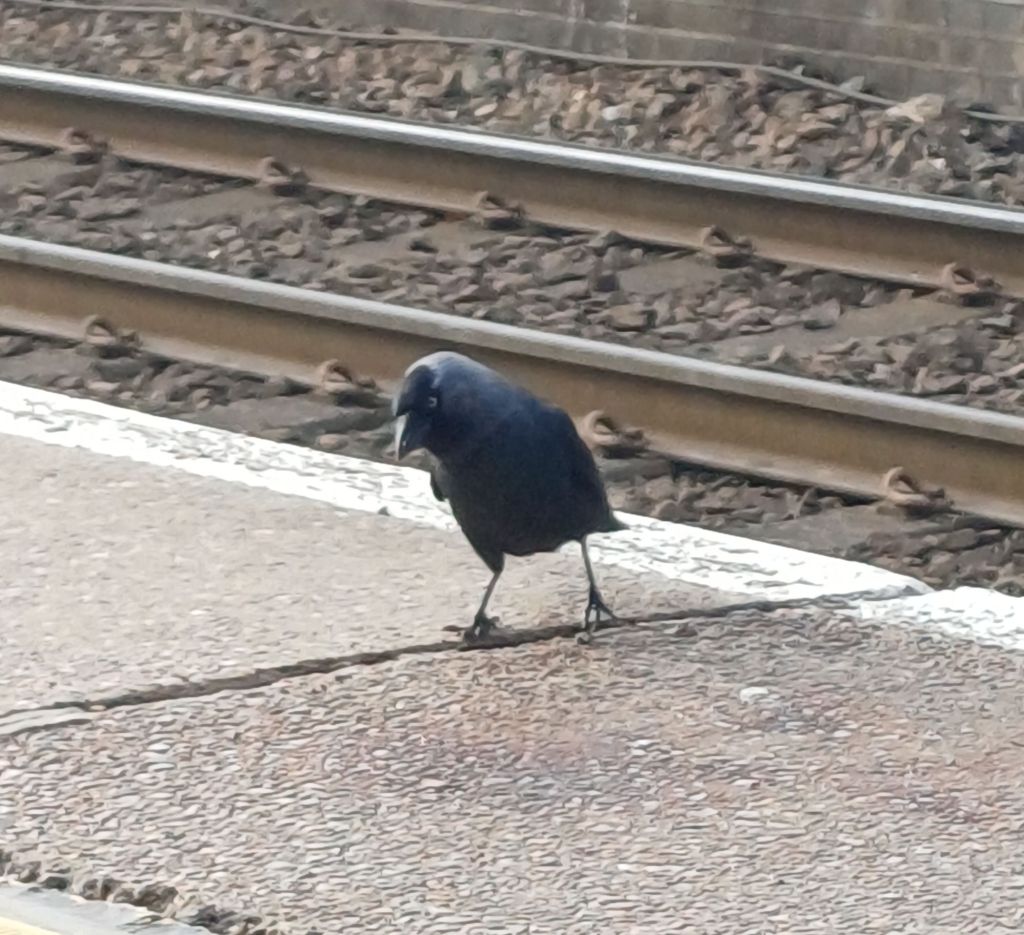
The Eurasian Jackdaw is a common bird in the UK, which is not currently under threat, and also is protected under the Wildlife and Countryside Act, 1981. This has led to there now being 1.4 million breeding pairs within the UK (RSPB, ND).
It can be found in various different habitats, such as grasslands, heathlands, farmland, coasts, woodlands, as well as towns and gardens. It is apart of the crow family, with it being the smallest member, which helps identify it, along with its black head and white eyes. They tend to weigh up to 220g, and have a wingspan of up to 70 cm (The Wildlife Trust, ND).
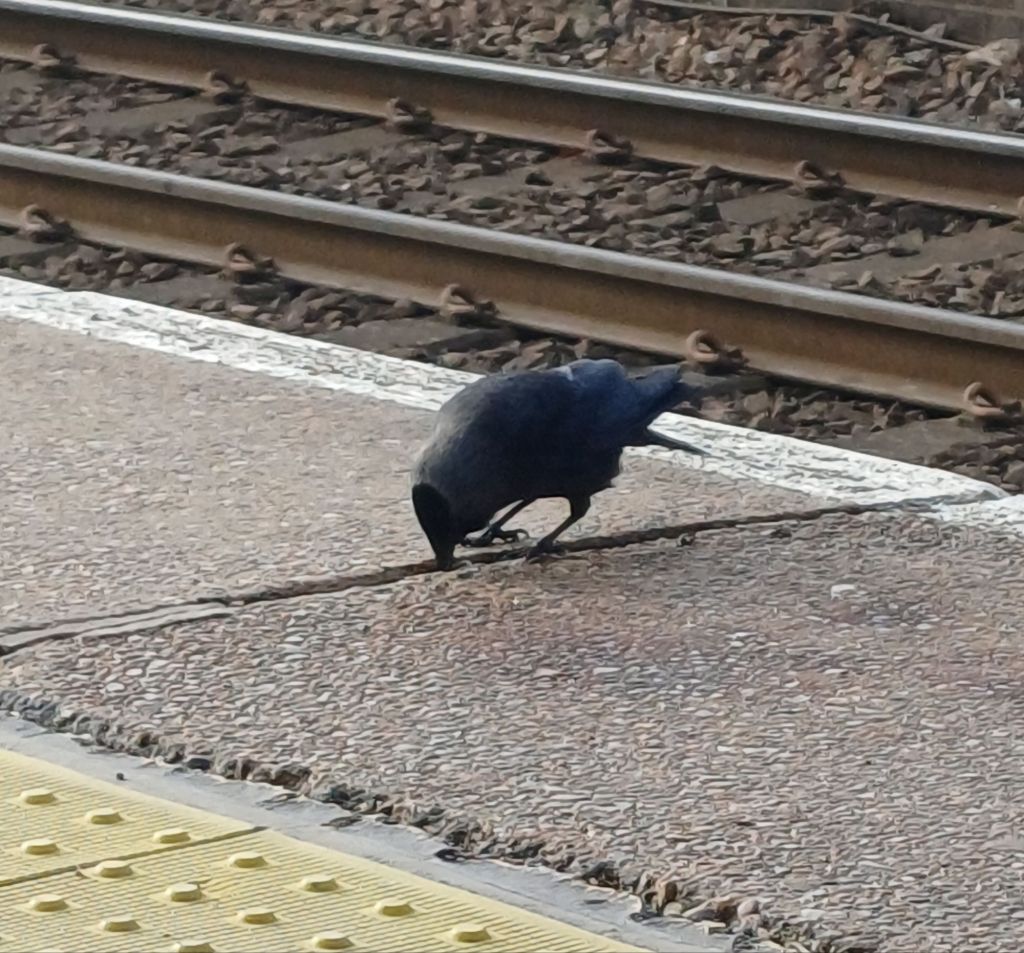
Jackdaws are omnivores, but their diet can vairy depending on the habitat and food availability, with it mostly consisting of insects, invertebrates, seeds, fruit and garbage, which they find mostly on the ground or within short vegetation. Some can even eat other birds eggs and chicks.
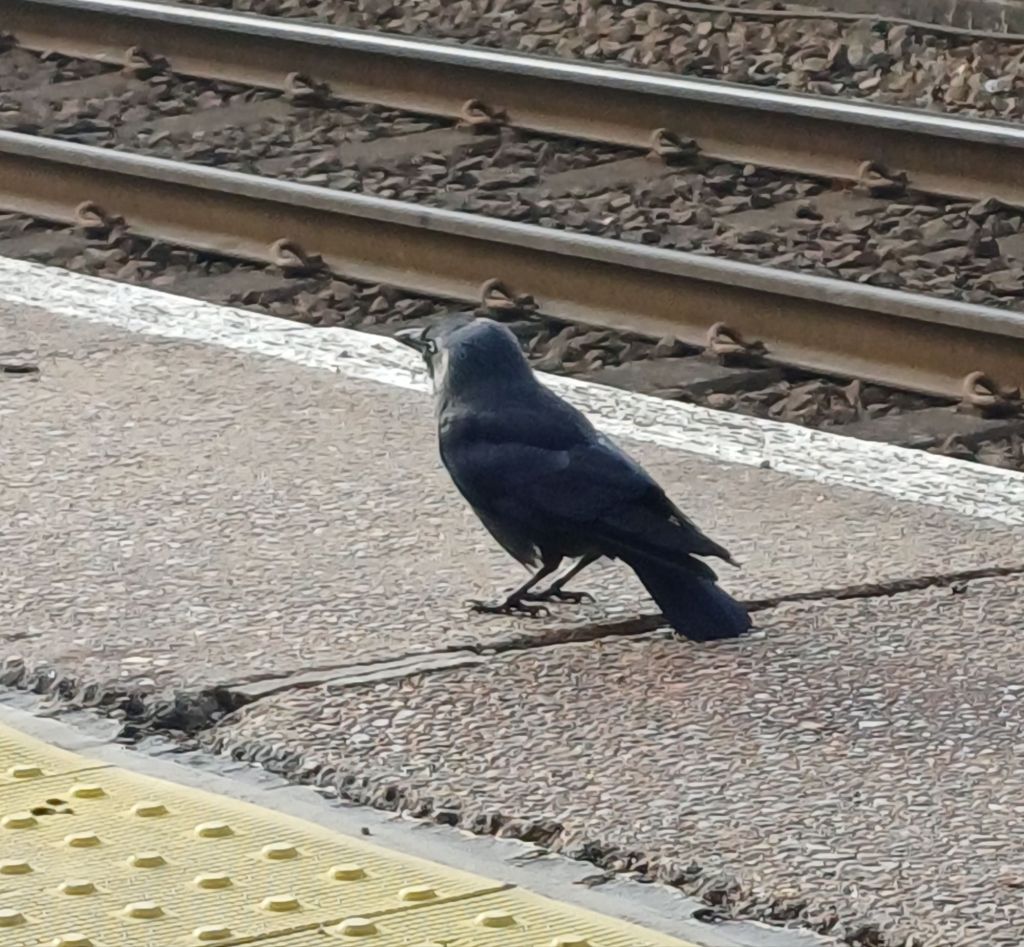
The Jackdaw is a social bird, with them forming flocks of up to 10 birds during the breeding seasons, however outside of this time, during the winter, jackdaws can gather in groups of thousands of birds, some as large as 40,000, which was recorded in Sweden. They form monogamous life long bonds, and stay together year round and within flocks, with both the male and the female jackdaw helping to build the nest and feed the chicks (All About Birds, 2022).
Male Jackdaws are the ones who attempt to court the females. They do this buy feeding the female, preening each other, guarding the female, and making chattering calls, which help attract the females.
They try to build their nests within cavities, such as within a tree, but can be found within branches in some areas. They are made of sticks and layered in mud, moss, hair and feathers. The female Jackdaw tends to lay 4-6 eggs, which will incubate for up to 18 days. Once they hatch, the chicks tend to stay with their parents for up to 41 days within the flock (All About Birds, 2022)..
Within folklore, jackdaws are often portrayed as having a ‘bad omen’, as they are often associated with death, and it was thought that if a jackdaw appeared at a window, it would mean that there was a ‘potent of death’ within that house. Due to Jackdaws often nesting in chimneys, this has led to them being considered ‘messengers of misfortunes’, as they directly link within the house due to their dark aura.
References
All About Birds. “Eurasian Jackdaw Life History, All about Birds, Cornell Lab of Ornithology.” Allaboutbirds.org, 2022, http://www.allaboutbirds.org/guide/Eurasian_Jackdaw/lifehistory. Accessed 7 May 2026.
RSPB. “Jackdaw Bird Facts | Corvus Monedula.” Www.rspb.org.uk, http://www.rspb.org.uk/birds-and-wildlife/jackdaw. Accessed 8 May 2026.
The Wildlife Trust. “Jackdaw | the Wildlife Trusts.” Www.wildlifetrusts.org, http://www.wildlifetrusts.org/wildlife-explorer/birds/crows-and-shrikes/jackdaw. Accessed 7 May 2026.
 Jorja's Ecology Blog
Leave a comment