
Species name: Aglais io
The peacock butterfly is apart of the Nymphalid’s family, and tend to live in gardens, woodlands, parks, and coastal areas around the UK. The adult butterflies can be identified by their orange colour and the ‘eyes’ on the wings, which are used to scare predators, as they would feel as they are being watched, therefore less they are less likely to attack, as it has been studied and shows that birds are less likely to or will take longer to attack a peacock butterfly is the eyespots are on display (Olofsson. M, et al, 2012).
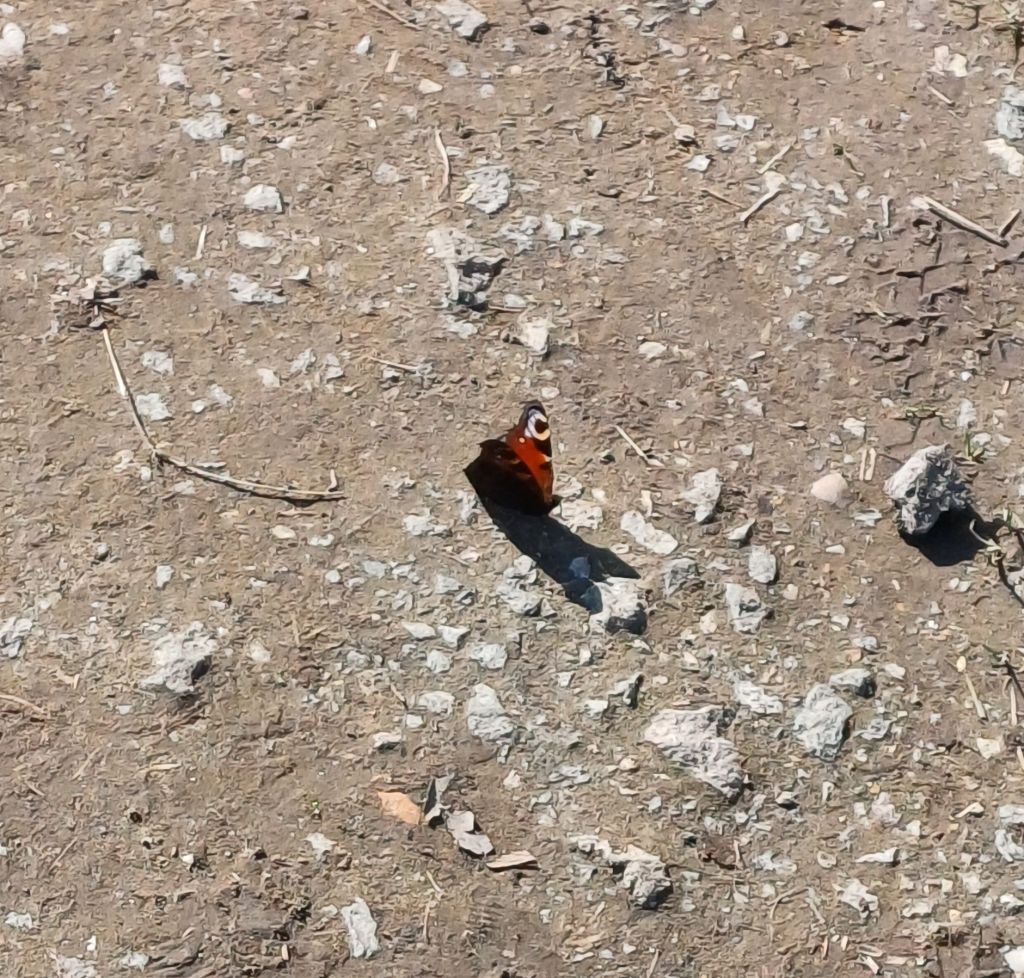
Unlike the top, the underneath of their wings is a black/brown colour, which allows them to camouflage amongst leaves. Their wingspan tends to be around 7cm, with the female butterflies being larger than the male and live for up to 11 months(Woodland Trust, ND).
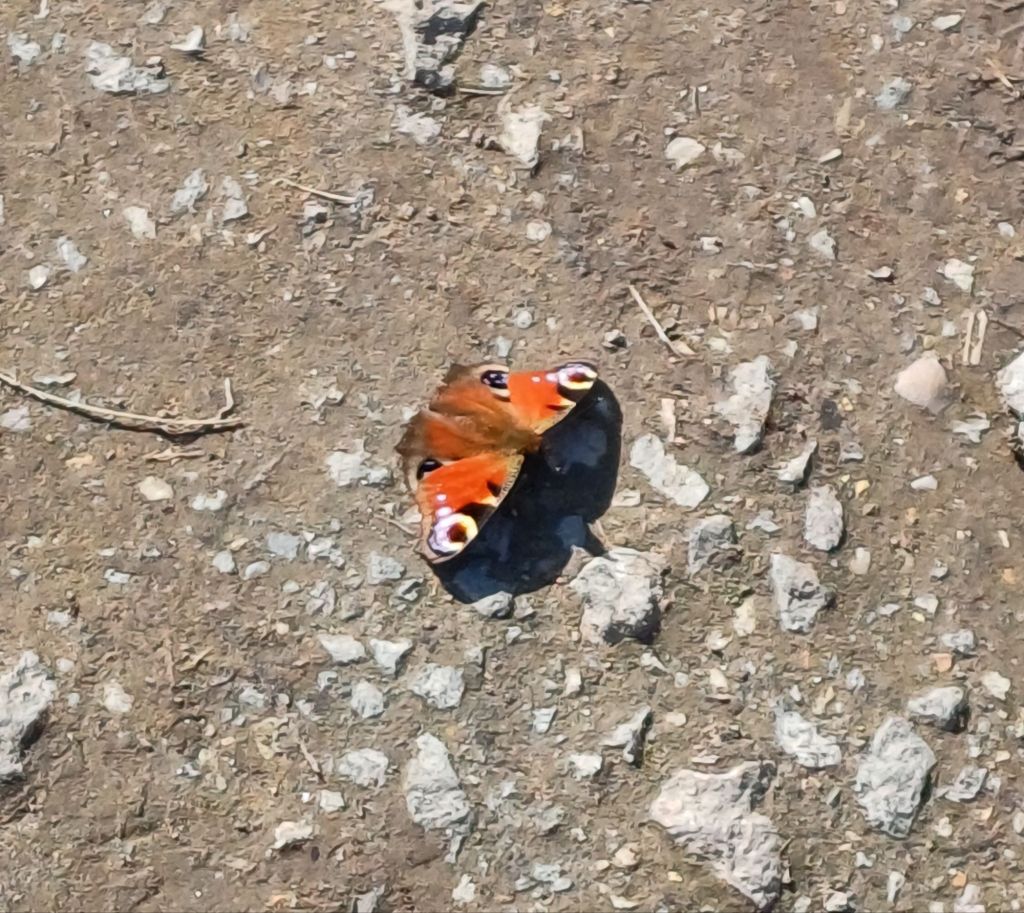
Within the UK, the peacock butterfly is currently very common, and not threatened. Their common predators consist of birds and rodents, if a butterfly feels threatened, they make a hissing sound by rubbing the veins on its forewings and hindwings together.
Their diet typically consists of nectar from flowers, such as the bluebell, cuckooflower, dandelion and especially Buddleia flowers.
These butterflies tend mate in early spring, and can lay up to 500 eggs in may on nettle leaves, as these are what the caterpillars tend to feed on once they hatch before leaving the nests. The caterpillars form pupas around themselves, which acts as a shell for around 2-3 weeks before they emerge as adult butterflies around august before hibernating in the winter within dark spaces, with their wings folded, to help camouflage them (Woodland Trust, ND).
They are usually monogamous, as the females are only able to breed after emerging as a butterfly. The male butterflies defend areas where female butterflies are likely to emerge through fighting with other male butterflies who try and stay within that area that are more desirable, which tend to be areas with large amounts of food (Scott. J.A, 1974). These flights take place whilst still flying, where the butterflies will chase and ‘headbutt’ each other, until one of the butterflies win by being more persistent. If the butterfly that wins if the new one that entered the territory, that territory becomes theirs, and the original owner needs to leave to find a new one.
To mate with a female, if a male butterfly spots a female flying through the area he is protecting, he will chase after her until she lands if she finds him desirable, which allows the mating to occur (Bergman et al, 2007).
Within folklore, butterflies represent many different meanings among different cultures. Within Irish legends, butterflies are seen to relate the soul of humans, and is considered bad luck to kill certain butterflies, as they hold the souls of children which have passed. Many cultures view butterflies as representing change, due to them forming pupas around themselves as caterpillars, and emerging as adult butterflies.
References
Bergman, Martin, et al. “Mating Success of Resident versus Non-Resident Males in a Territorial Butterfly.” Proceedings of the Royal Society B: Biological Sciences, vol. 274, no. 1618, 7 July 2007, pp. 1659–1665, http://www.ncbi.nlm.nih.gov/pmc/articles/PMC1914333/, https://doi.org/10.1098/rspb.2007.0311. Accessed 6 May 2026.
Olofsson, Martin, et al. “Eyespot Display in the Peacock Butterfly Triggers Antipredator Behaviors in Naïve Adult Fowl.” Behavioral Ecology, vol. 24, no. 1, 17 Dec. 2012, pp. 305–310, pmc.ncbi.nlm.nih.gov/articles/PMC3518204/, https://doi.org/10.1093/beheco/ars167. Accessed 6 May 2026.
Scott, James A. “Mate-Locating Behavior of Butterflies.” American Midland Naturalist, vol. 91, no. 1, Jan. 1974, p. 103, https://doi.org/10.2307/2424514. Accessed 6 May 2026.
Trust, Woodland. “Peacock (Aglais Io) – Butterflies.” Woodland Trust, http://www.woodlandtrust.org.uk/trees-woods-and-wildlife/animals/butterflies/peacock/. Accessed 6 May 2026.


Leave a Reply