
Species name: Cardamine pratensis + Bombus pascuorum
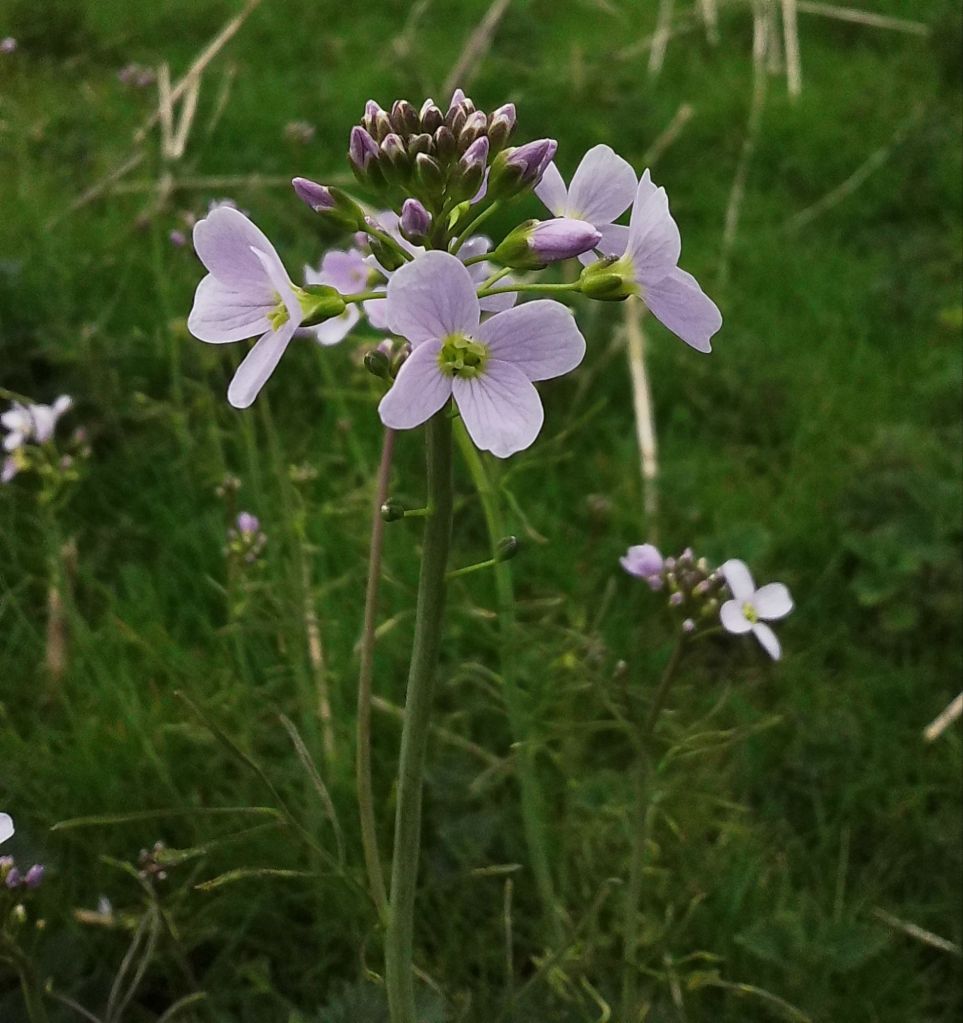
The cuckoo flower is a native perennial flowering plant which can grow up to 45cm tall in the springtime in the UK. It is apart of the Brassicaceae family, which is made up mostly of herbaceous plants, which are vascular, with no woody stem, are mostly pollinated by insects. Their petals tend to be a lilac colour, and in some cases can be white, with each flower having four petals each.
They are a common flower across the UK. within their preferred habitats, such as grasslands, freshwater habitats, wetlands, towns, and gardens as they prefer sheltered areas in clay or loam, and are not threatened at the moment.
There are a many different names for this flower, such as Our Lady’s smock, milkmaids, fairy flower, mayflower and coco plant (Plantlife, ND).
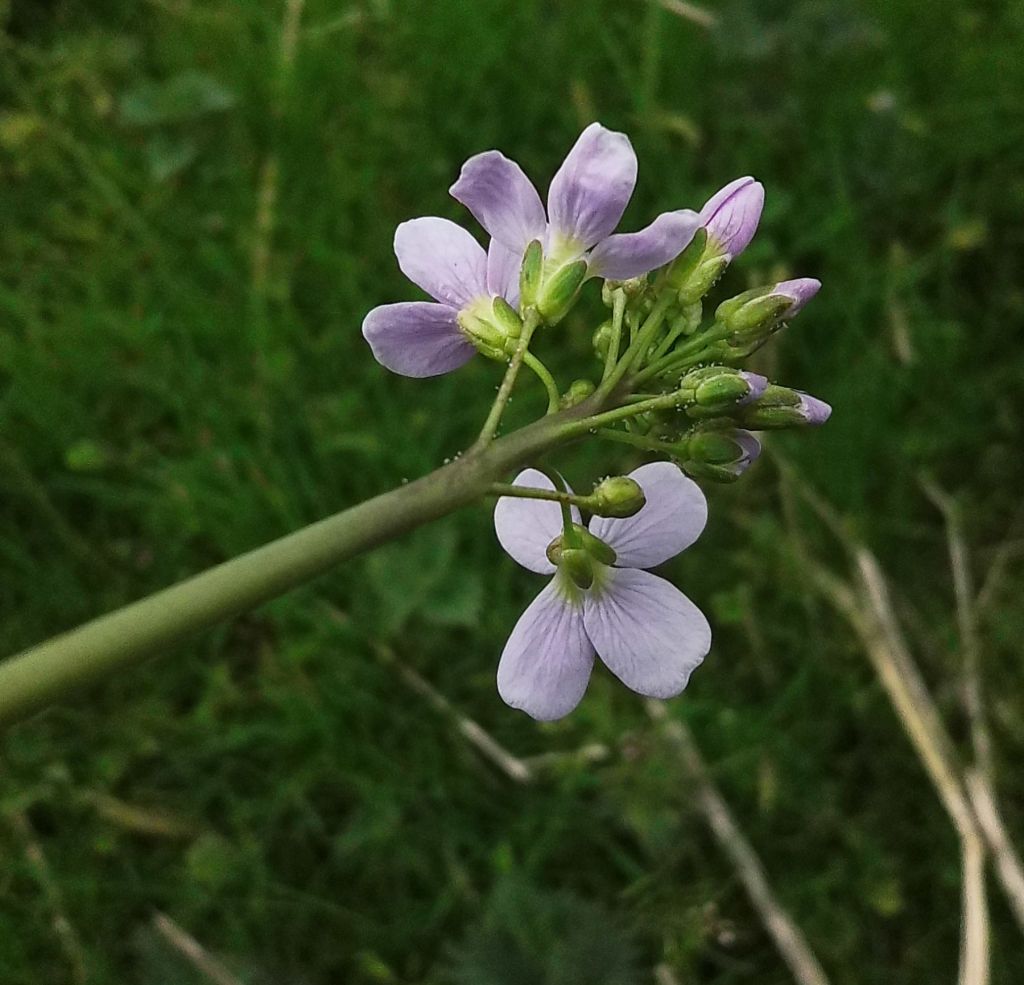
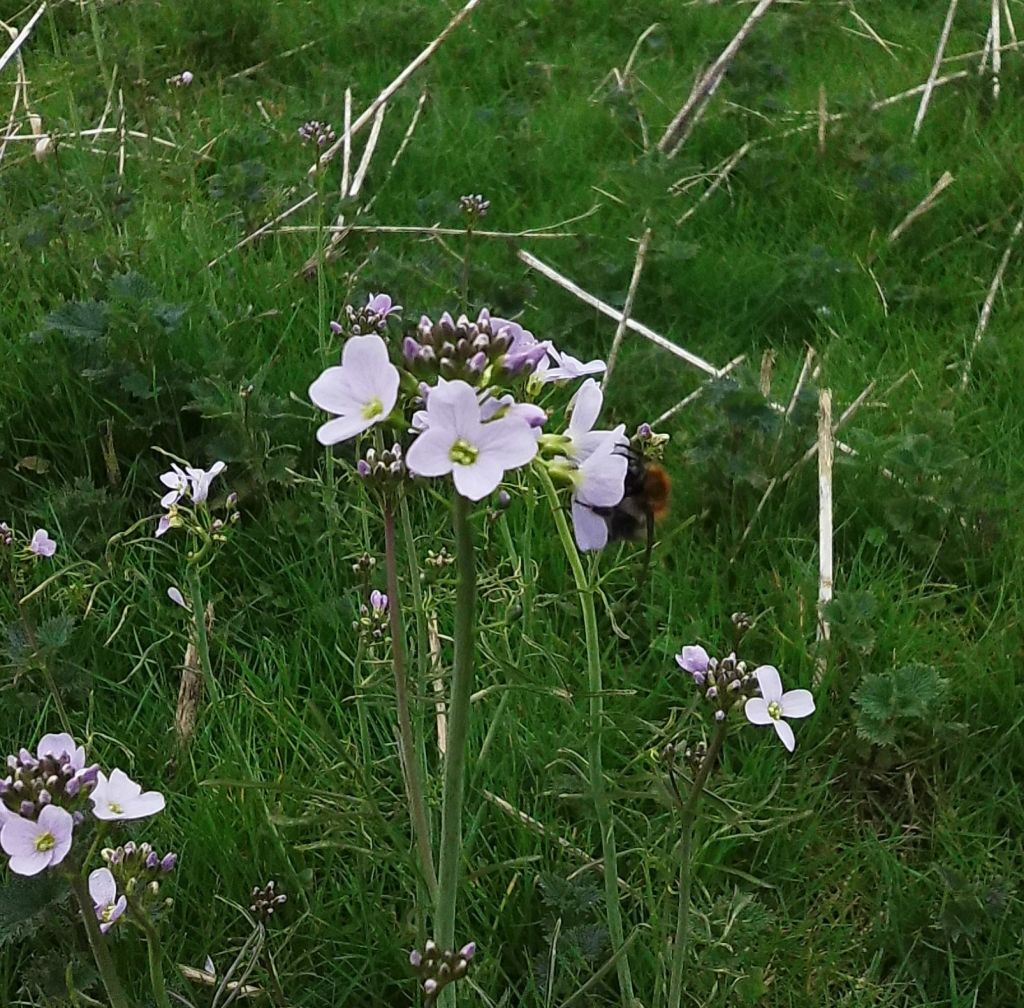
These flowers are a large part of many insects diet throughout spring, with their primary feeders being, Orange-tip butterflies (Anthrocharis cardamines). Many bees also feed of Cuckooflowers, such as the Common carder bee (Bombus pascuorum), as seen in the photo below.
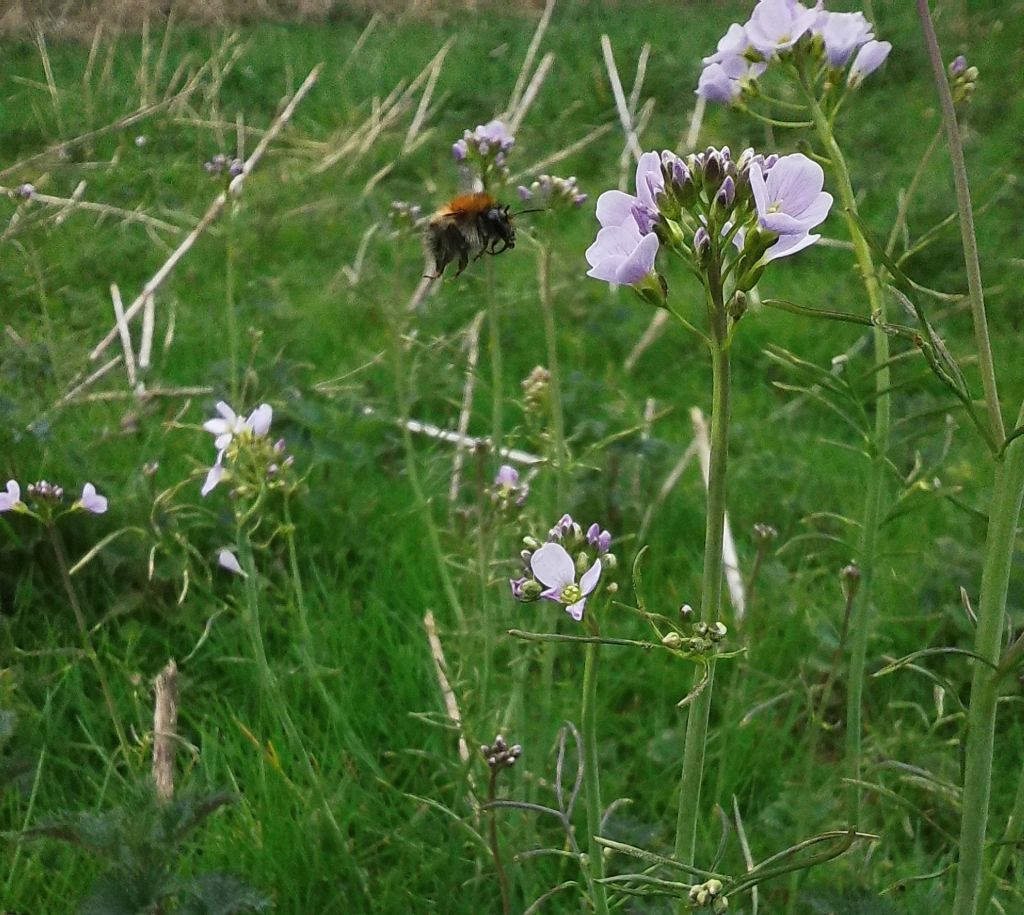
The common carder bee is one of the most common bee in the UK, with it being able to be found in nearly every habitat from March-November (The Wildlife Trust, ND). They can be identified by their brown/orange colour around their abdomen. The queen bee emerges from hibernation in early spring to start its colony, which can contain up to 200 workers. They can be spotted until the end of October, where the old queen dies, and the new one hibernates until next spring.
Within folklore, the cuckooflower was considered unlucky to pluck in parts on England, therefore it wasn’t often used in medicine (Plantlife, ND). It is considered unlucky as they are considered sacred to fairies, which may be where their alternative name ‘fairy flower’ came from. The name ‘Lady’s smock’ and ‘Milkmaids’ came from the cup-shaped petals looking similar to the clothing women used to wear over their dresses whilst their work. Within Cumbria folklore, it is also considered unlucky to pick these flowers, as they believed it would cause a thunderstorm to begin as punishment (Burton_Hargreaves. A, 2023).
Carder bees name comes from their habit of combing/’carding’ moss and grass, to use over their nests to protect them. Within folklore, it was also considered bad luck to have bees die in a home. Yet within Germanic tradition, having a bee land on your head was seen to predict great success.
References
Burton-Hargreaves, Alexander . “The Cuckooflower.” Northwest Nature and History, 26 Apr. 2023, northwestnatureandhistory.co.uk/2023/04/26/the-cuckooflower/. Accessed 21 Apr. 2026.
Plantlife. “Cuckooflower.” Plantlife, http://www.plantlife.org.uk/plants-and-fungi/cuckooflower/. Accessed 20 Apr. 2026.
The Wildlife Trusts. “Common Carder Bee | the Wildlife Trusts.” Www.wildlifetrusts.org, http://www.wildlifetrusts.org/wildlife-explorer/invertebrates/bees-and-wasps/common-carder-bee. Accessed 21 Apr. 2026.
—. “Cuckooflower | the Wildlife Trusts.” Www.wildlifetrusts.org, https://www.wildlifetrusts.org/wildlife-explorer/wildflowers/cuckooflower. Accessed 21 Apr. 2026.


Leave a Reply