
Species name: Aegithalos caudatus
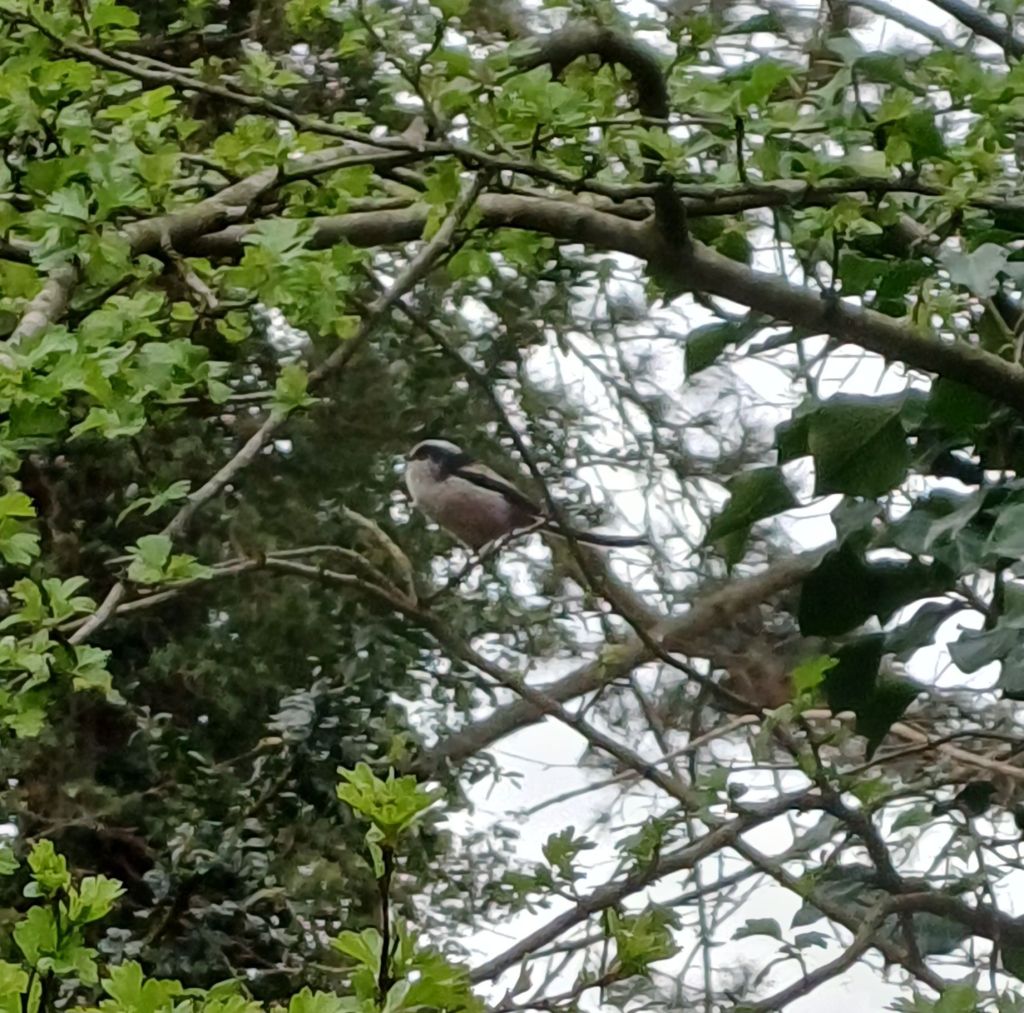
The long-tailed tit is a small bird, with them being around 14 cm in length, around 7-10g and have a wingspan of 16-19 cm. They are most recognisable by their distinct colouring, of mostly black and white, as well as its tail, which tends to be longer than its body. They can be found in almost every habitat in the UK and can be spotted all year round. Long-tailed tits are classified as green under the Birds of Conservation concern, meaning they are no concerns about their populations decreasing (The Wildlife Trust, ND). They tend to feed on insects and invertebrates.
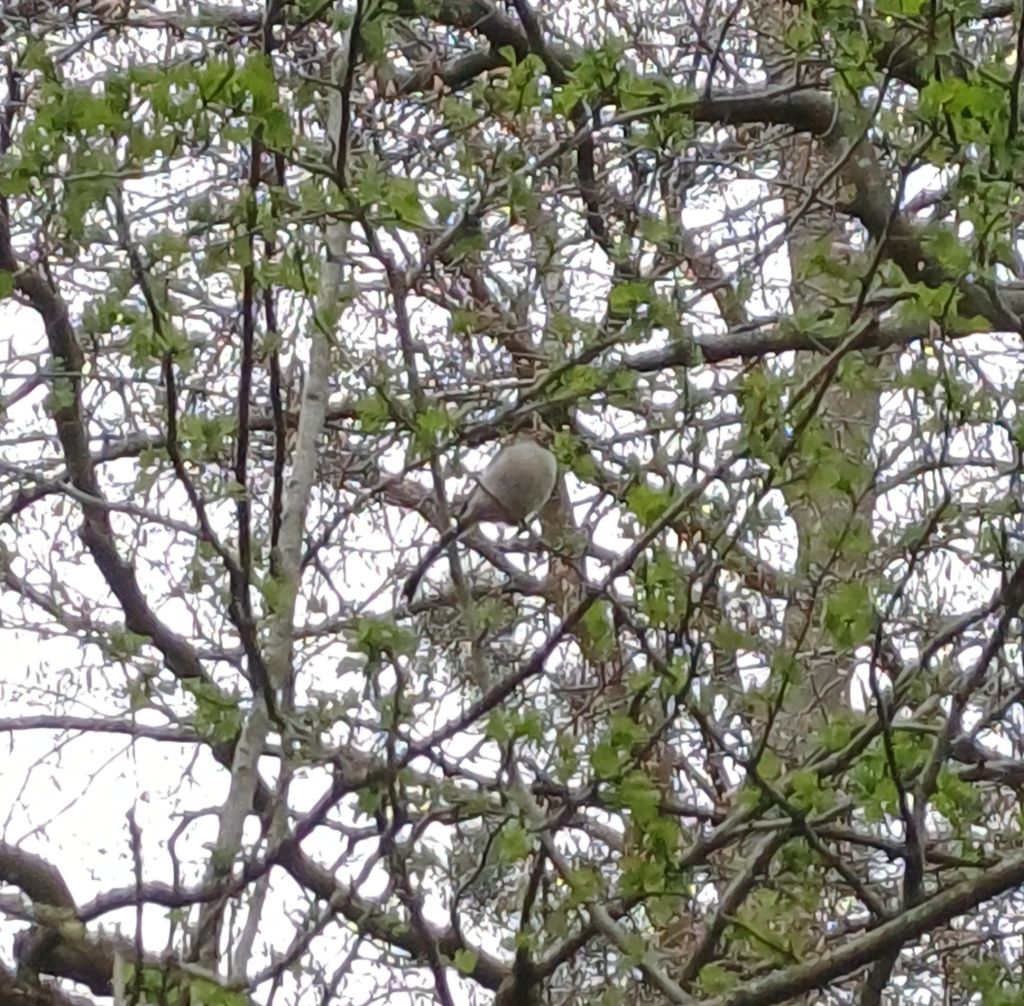
Long-tailed tits form monogamous bonds during breeding seasons, with both birds helping to build the nest, which can take up to 4 weeks. These nests are dome-shaped, with a small entrance, made of moss, spider silk, and up to 2000 feathers for warmth (Birdfact, 2022). Each nest tends to hold 6-8 eggs, which incubate for upto 18 days before hatching before staying in the nest for another 18 days (BTO, 2014). The breeding pairs are often in a flock outside of breeding seasons, of up to 6 birds, usually made of the parents and offspring. In the Uk, there are around 330k breeding pairs of long-tailed tits, and stay in the same region throughout the year instead of migrating.
However, most of their nests are often destroyed by predators, such as magpies, crows and some mammals, which eat the eggs. This has led to only around 20% of long-tailed tits nests surviving breeding seasons in some parts of the UK (Birdfact, 2022). During winter, outside of breeding season, long-tailed tits can be found in flocks of up to 20 birds, which huddle together at night for warmth (The Wildlife Trust, ND).
In some cases, Long-tailed tits can take part in cooperative breeding and altruism, which is a selfless act of helping others without expecting anything in return, which resulting in increasing the lifetime of another individual’s offspring. This can take place between a brood or incase a nest is destroyed, without enough time to build a new one. This leads to a pair searching for another pair to nest with and help in doing so, by helping to feed the chicks, with up to 50% of broods having these. This takes place as the Long-tailed tits see it as aiding their survival (Birdfact, 2022).
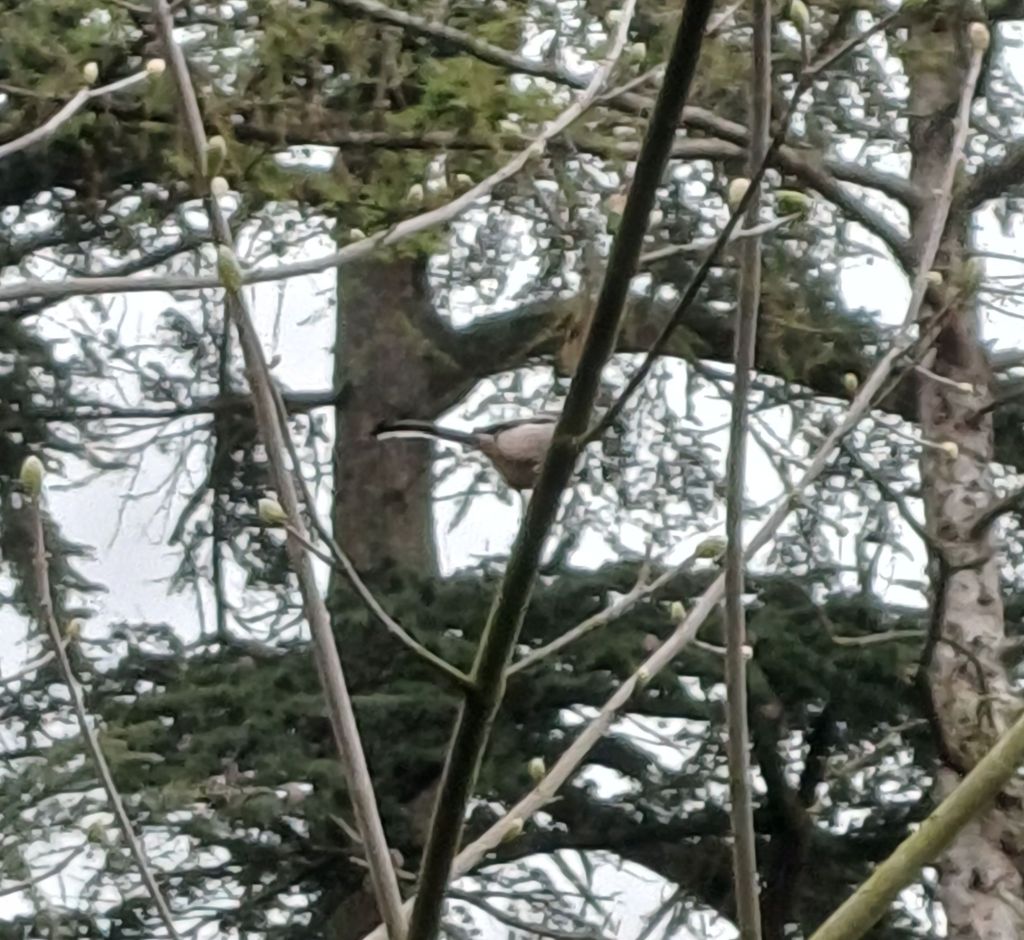
Within folklore, long-tailed tits are often considered a symbol of friendship, this may be due to the fact they usually stay within a flock, during both breeding seasons and winter seasons. They are also sometimes called a ‘flying lollipop’ due to their long tail looking like a stick for their round bodies.
References
Birdfact. “Long-Tailed Tit Nesting: A Complete Guide.” Birdfact.com, Birdfact, 29 Jan. 2022, http://www.birdfact.com/articles/long-tailed-tit-nesting. Accessed 6 Apr. 2026.
British Trust for Ornithology, and Kate Risely. “Long-Tailed Tit.” 2014.
The Wildlife Trusts. “Long-Tailed Tit | the Wildlife Trusts.” Www.wildlifetrusts.org, http://www.wildlifetrusts.org/wildlife-explorer/birds/tits-crests-and-warblers/long-tailed-tit. Accessed 6 Apr. 2026.
 Jorja's Ecology Blog
Leave a comment