
Species name: Anser anser
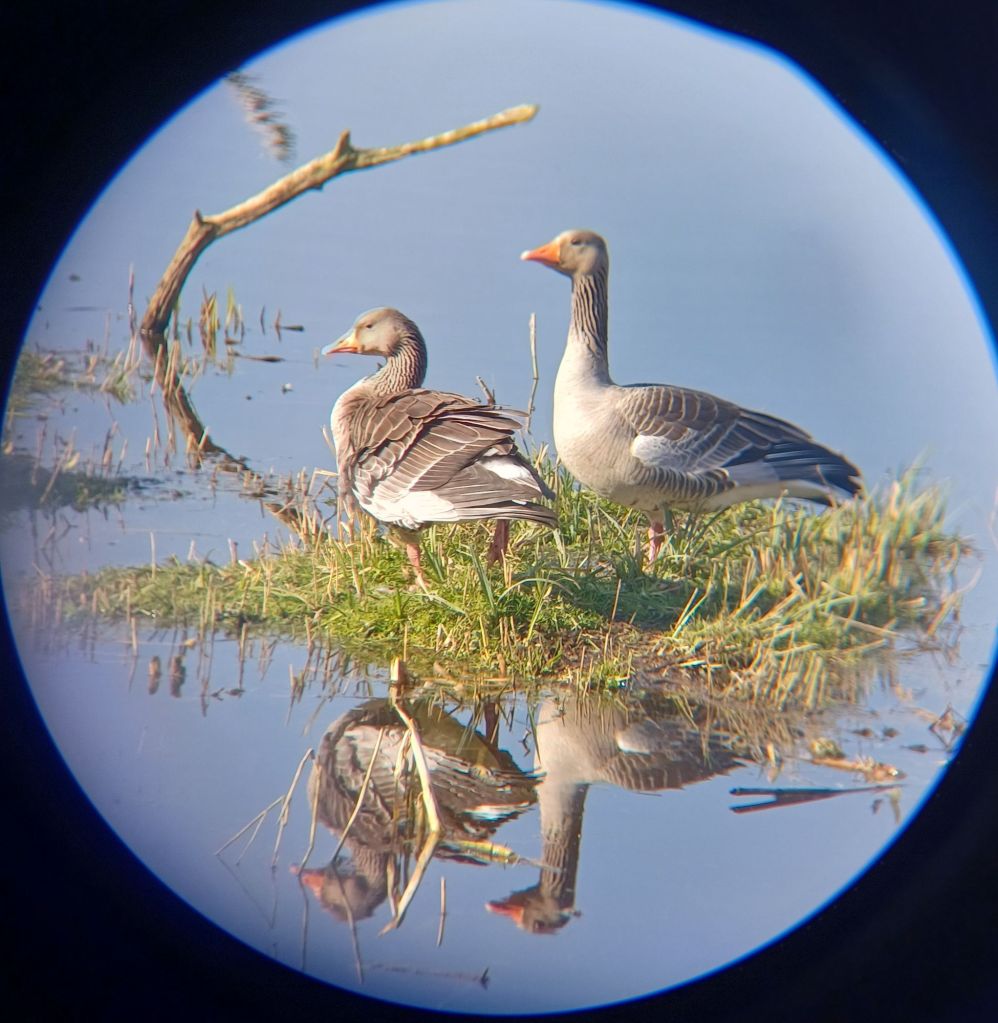
The Greylag goose is the largest, bulkiest species of wild goose which is native to the UK, with it being the ancestor of most domestic geese. They can be easily identified by their orange beak. On average, they weigh 3kg, are 31 inches in length and have a wingspan of around 60-70 inches. They tend to live in urban, suburban, intertidal, farmland, wetland, and grassland habitats. They have an amber conservation status, meaning there is a moderate level of concern for the species, due to a moderate decline in population over the last few years, but have stabilised since (RSPB, ND). These geese tend to feed on grass, roots and grain.
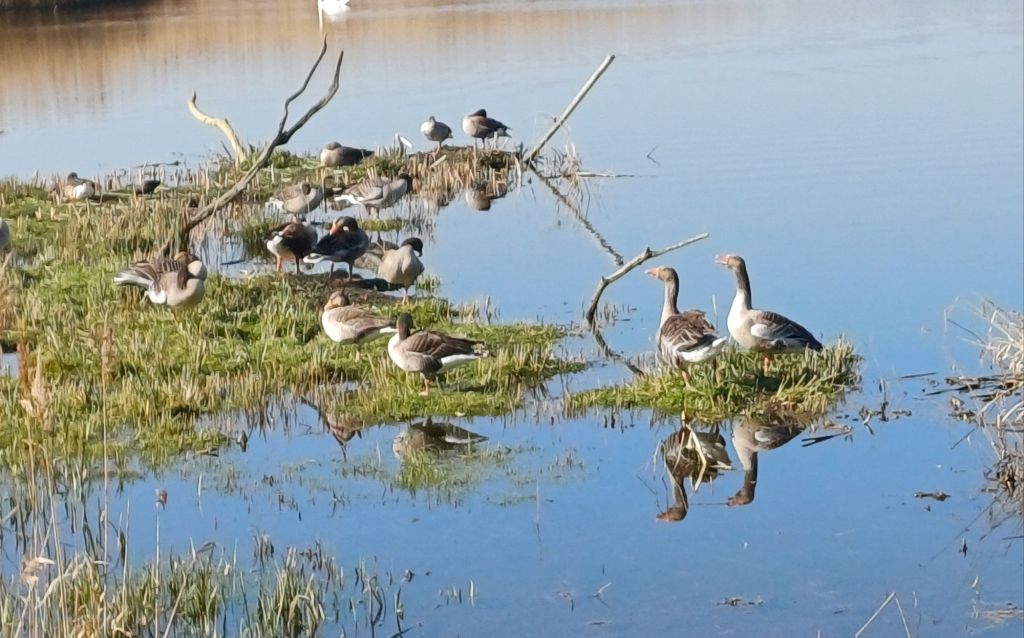
In the Uk, there are 47,000 breeding pairs of greylag geese. They are another species of bird that are monogamous and mate for life in isolated pairs, with both the parents looking after their young. The female greylag chose the nesting site for their young along with building it. They tend to hold up to 6 eggs per breeding season, and incubate for around 28 days (All About Birds, ND). These geese also perform mating rituals, they do this everytime they see each other after being seperated for a long period of time. During this, they do loud calling, called ‘squabbling’, aswell as the male strutting and both performing head dips (D. Dale Gillette, 1977).
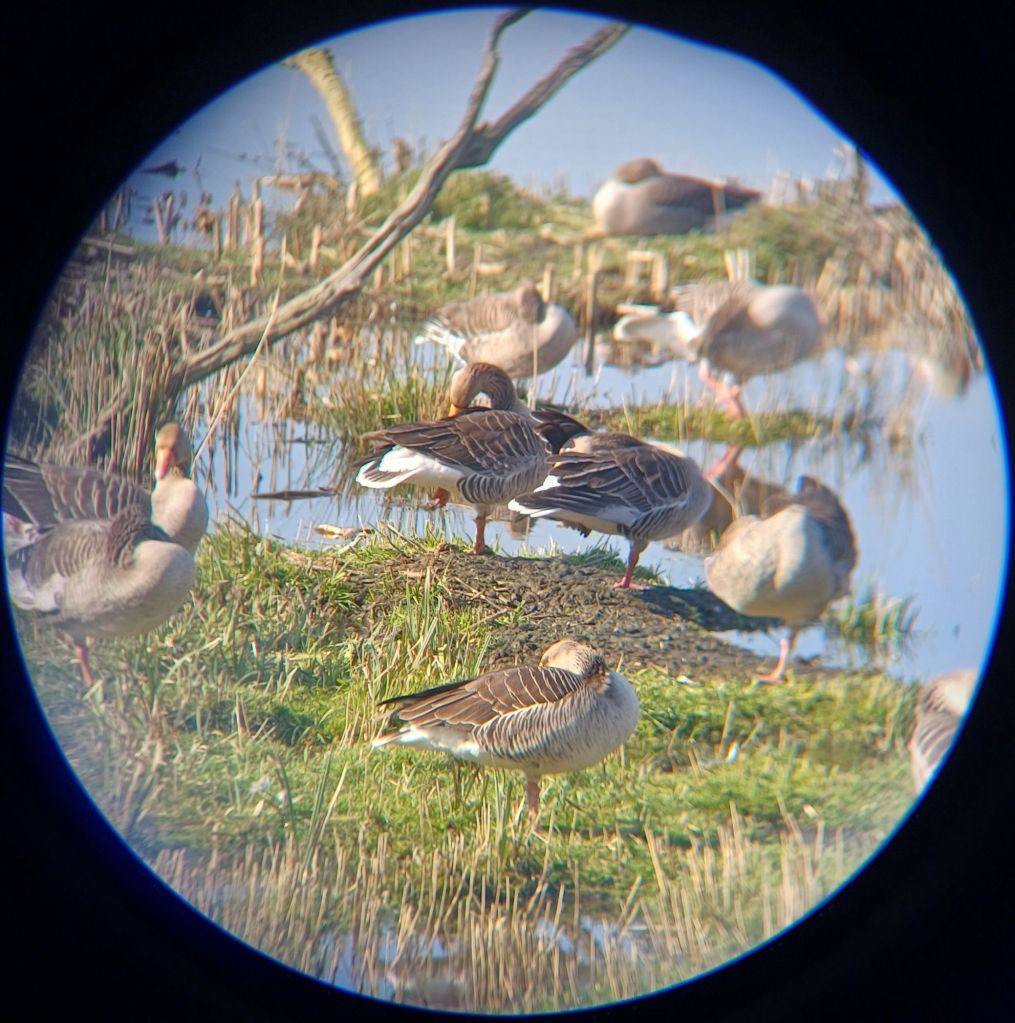
Within folklore, geese are often seen as guardians, due to being noisy, therefore they can help alert when there is danger nearby. They have also being used within stories, such as ‘The Goose that Laid the Golden Eggs’, which is apart of Aesop’s Fables, telling a story about greed, with a farmer that fell into poverty, after selling his possessions on the farm to avoid needing to work, until the goose lays golden eggs, which the farmer sells for money, leading him to becoming greedy, and cutting the goose open to try and get all its eggs at once, only to find there is none, and he can no longer get more, due to killing the goose, leading him to becoming poor again (BBC, 2020).
References
All About Birds. “Graylag Goose Life History, All about Birds, Cornell Lab of Ornithology.” Www.allaboutbirds.org, http://www.allaboutbirds.org/guide/Graylag_Goose/lifehistory. Accessed 6 Apr. 2026.
BBC. “English KS1/KS2: Aesop’s Fables – 24. The Goose That Laid the Golden Eggs.” BBC Teach, 2020, http://www.bbc.co.uk/teach/school-radio/articles/zf94382. Accessed 6 Apr. 2026.
Dale Gillette, D. “Mating and Other Behavior of Domestic Geese.” Applied Animal Ethology, vol. 3, no. 4, Dec. 1977, pp. 305–319, https://doi.org/10.1016/0304-3762(77)90056-6. Accessed 6 Apr. 2026.
RSPB. “Greylag Goose Facts.” Www.rspb.org.uk, http://www.rspb.org.uk/birds-and-wildlife/greylag-goose. Accessed 6 Apr. 2026.
 Jorja's Ecology Blog
Leave a comment