
Wildflower hour is between 8-9pm on a Sunday, where people share flowers they have found across Britian and Ireland on social media with the hashtag #WildFlowerHour.
This began in 2015, when the founder, Isabel, asked the Botanical Society of Britain & Ireland (BSBI) to help promote this idea. It was created to try and make more people appreciate wild plants, as well as creating a community, to allow people to help others identify plants they found during the week, by using the hashtag #WildFlowerID (BSBI, 2017)
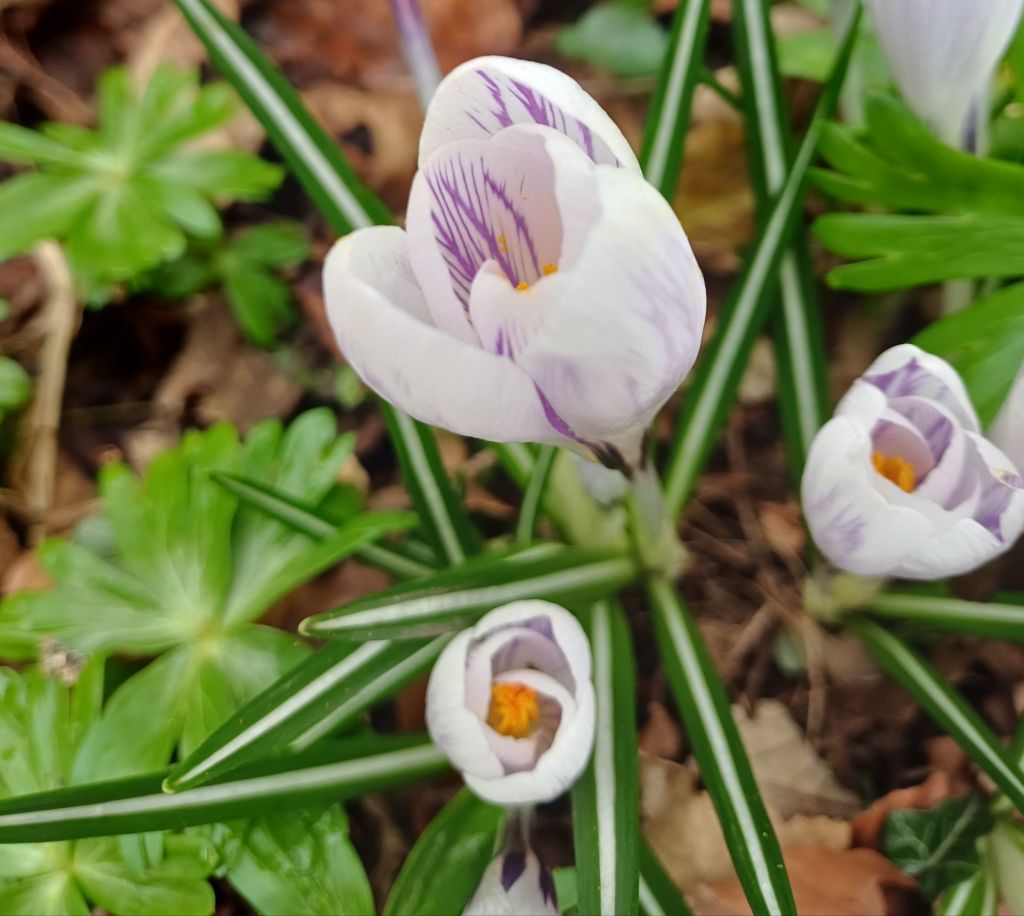
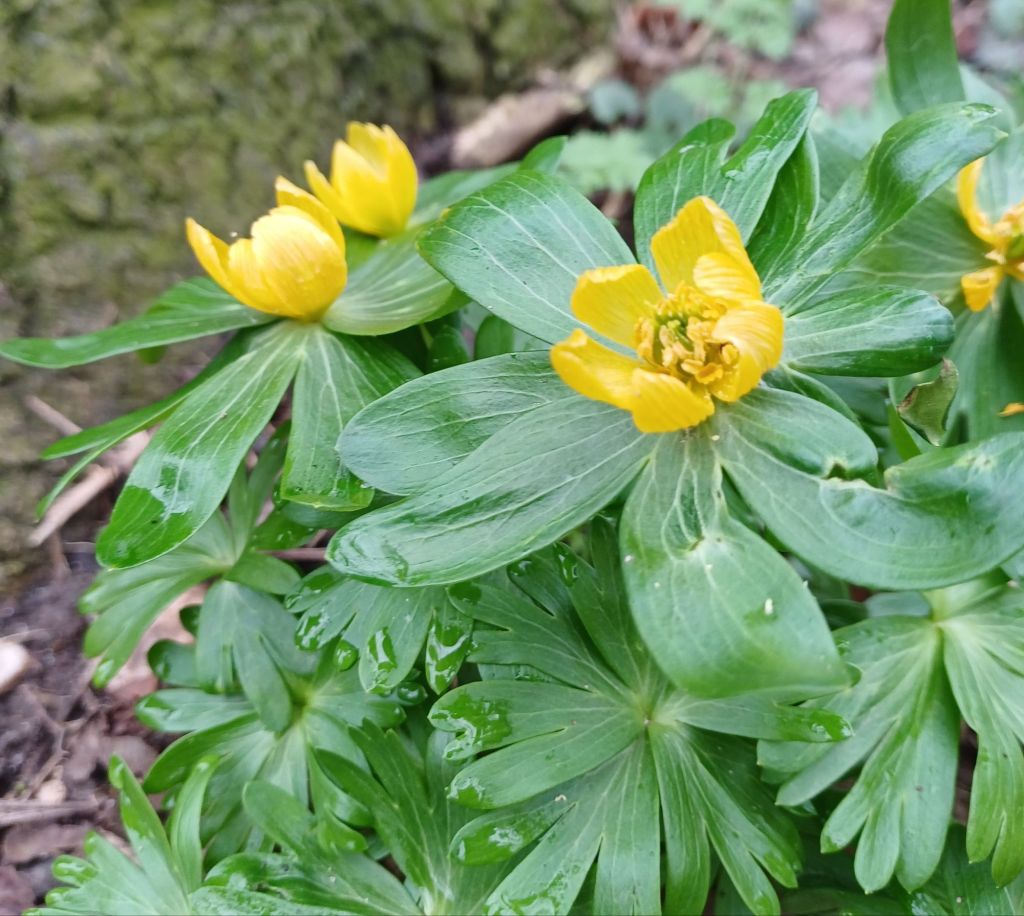
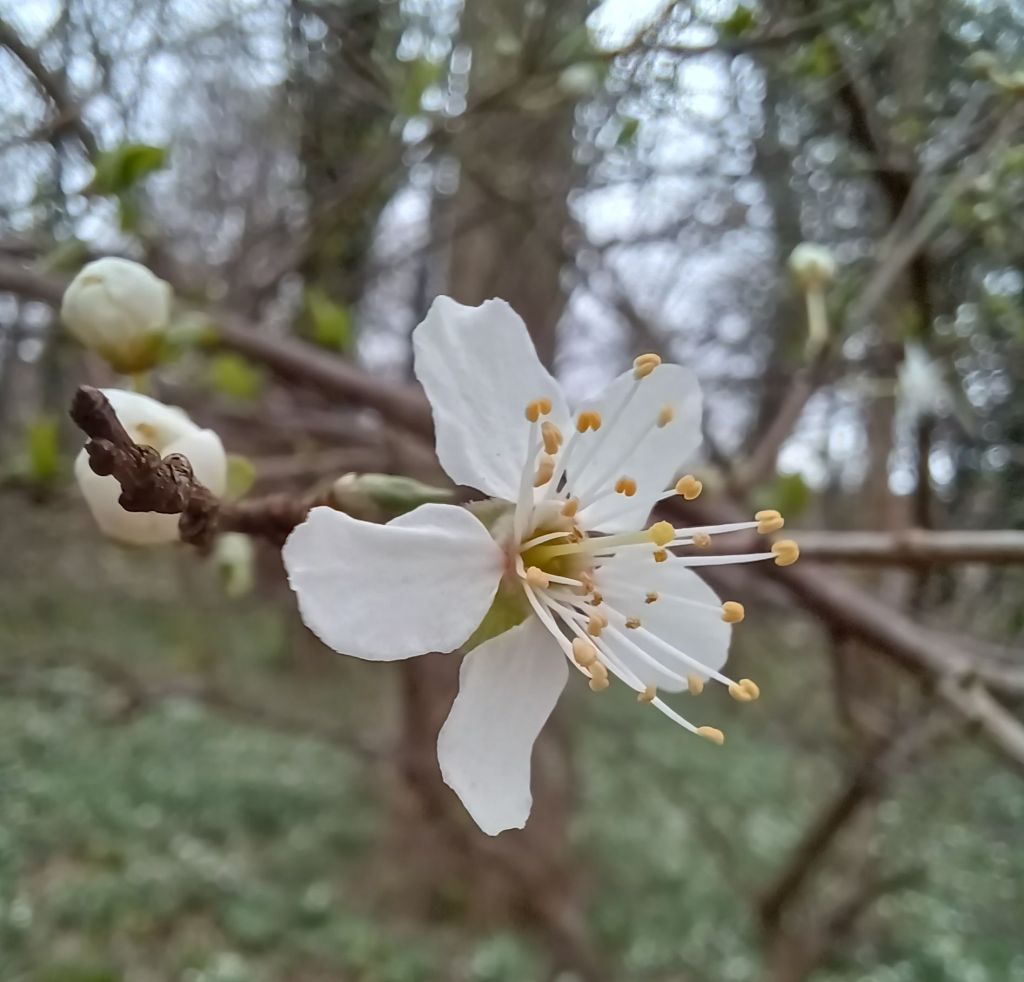
I went around parts of the UEA campus, to try and identify different flowers that were blooming, that indicate the beginning of spring. I was able to identify a few such as, crocuses, cherry plums (Prunus cerasifera), daffodils, winter aconite (Eranthis hyemalis) and Siberian squills (Scilla siberica).
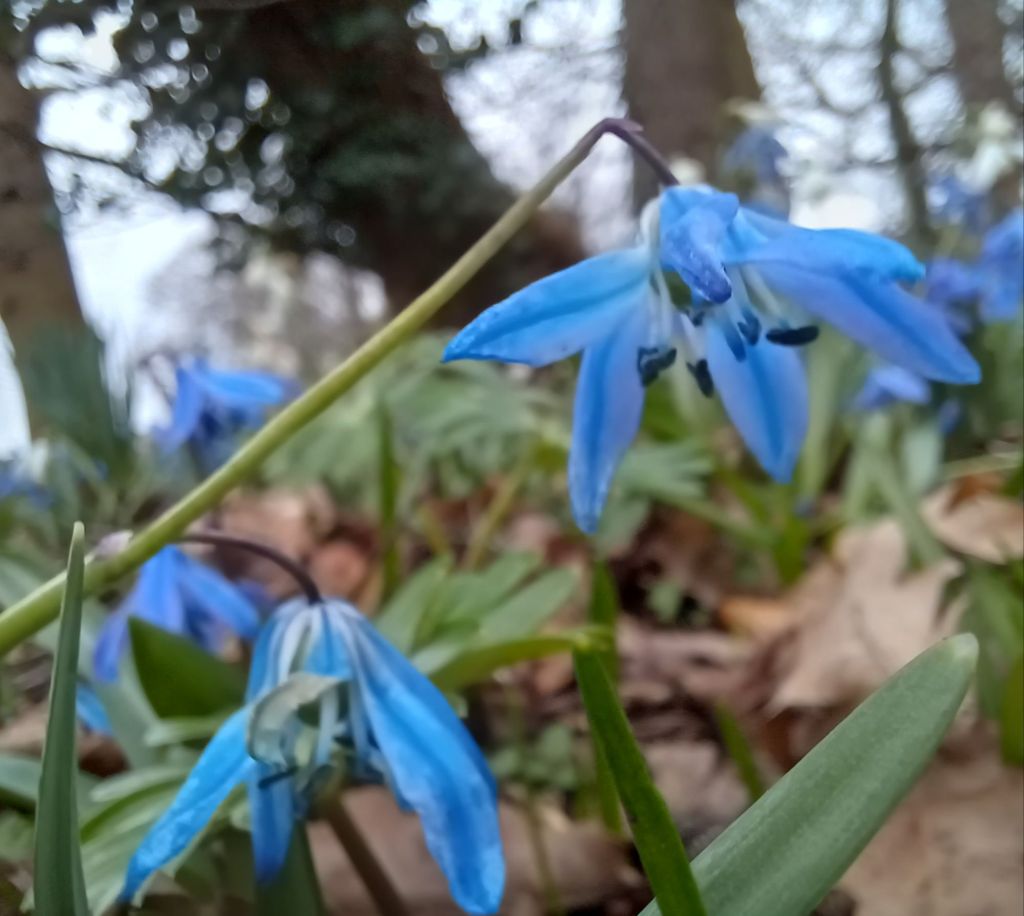
The Siberian squill (Scilla siberica) is a flowering plant part of the Asparagaceae family. They tend to grow up to 20cm tall, with it being a bulbous perennial, meaning it grows from a bulb in spring and summer and dieback in autumn and winter. The flower tend to has 6 blue petals and separate stamens.
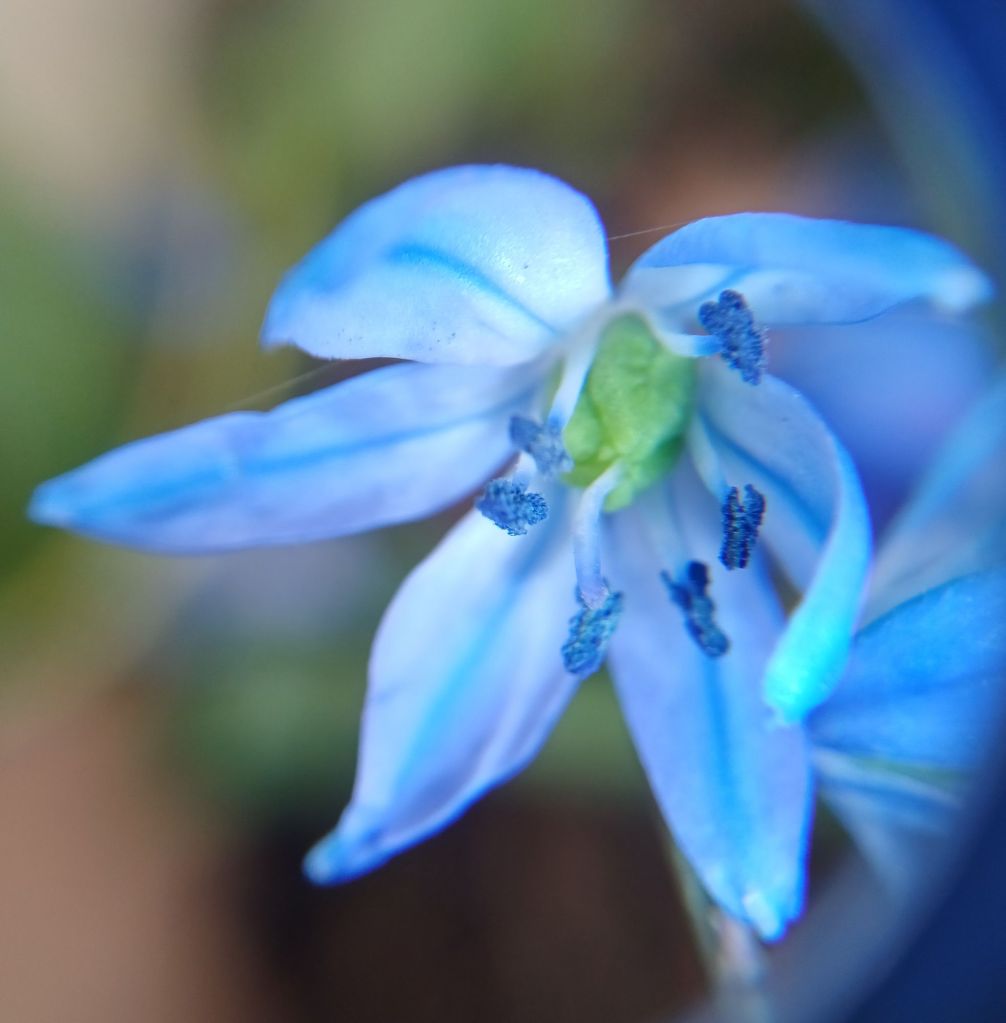
These flowers are native Russia, with them being introduced to the UK in the 1780s for ornamental purposes due to its colours. However, now they can be found in the wild, often in large clumps, like I found at UEA, which has led to this flower being considered an invasive species. Yet they are still beneficial, as they often attract bees, due to being pollen rich (Gardeners’ World, 2017). However, the whole of the plant is highly poisonous to humans, with it causing nausea, vomiting, lowered heart rate, and skin irritation to some due to Cardiac glycosides (NC State, ND).
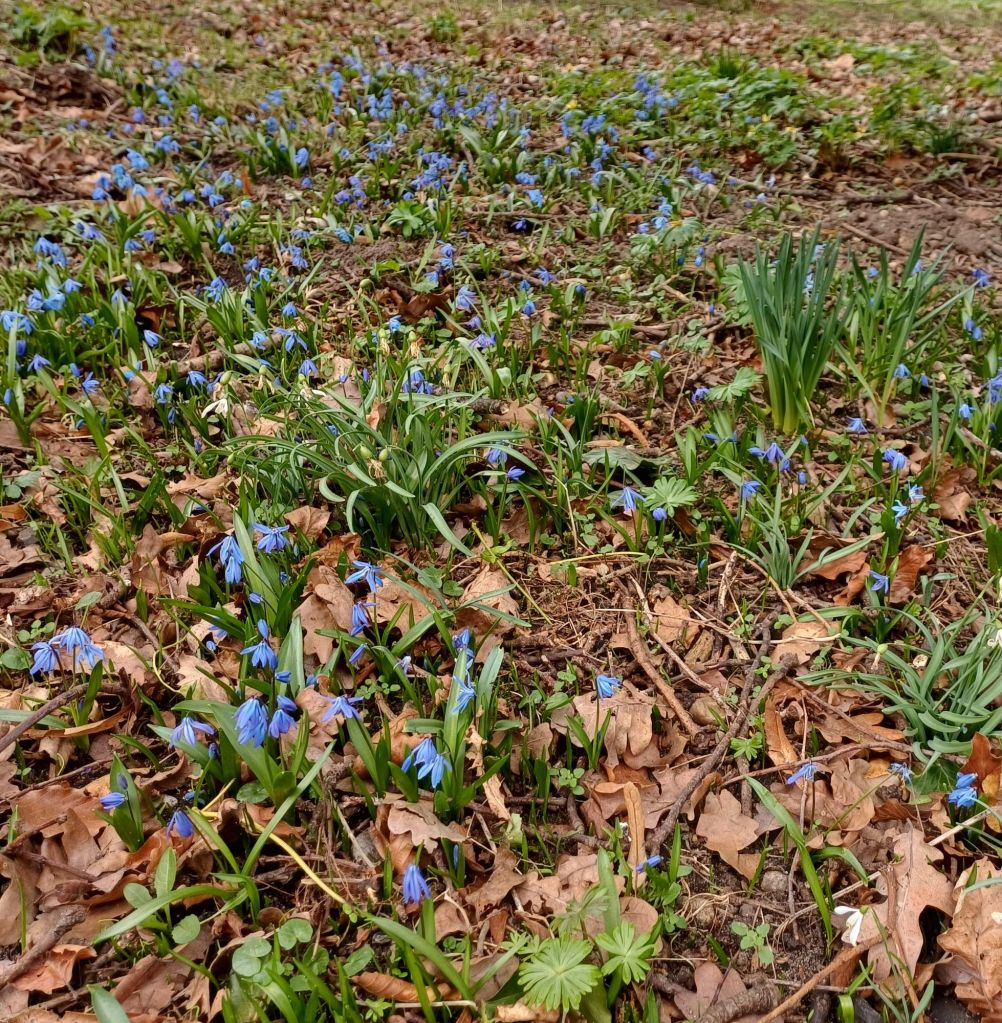
Within folklore, Siberian squills were connected to many different beliefs. Such as with the genus name being related to the Goddess Scylla within Greek mythology, who was a beauty who turned into a sea monster after the water she bathed in was poisoned. Siberian squill is also seen as the flowers of witches and evil spirits, and therefore should not be stepped on (Nature Gate, 2021).
References
Botanical Society of Britain & Ireland. “Wild Flower Hour.” Bsbi.org, 2017, bsbi.org/take-part/activities/wild-flower-hour. Accessed 21 Mar. 2026.
Gardeners’ World. “Scilla Siberica.” BBC Gardeners World Magazine, 20 June 2017, http://www.gardenersworld.com/plants/scilla-siberica/?srsltid=AfmBOopZKhzd4hX-xnZKmgd9JmhbKPT4XDDqsnfSdWgOHUla34H1wtCY. Accessed 25 Mar. 2026.
Nature Gate. “Siberian Squill, Othocallis Siberica – Flowers – NatureGate.” Luontoportti.com, 2021, luontoportti.com/en/t/1968/siberian-squill. Accessed 25 Mar. 2026.
NC State university. “Scilla Siberica (Siberian Squill) | North Carolina Extension Gardener Plant Toolbox.” Plants.ces.ncsu.edu, plants.ces.ncsu.edu/plants/scilla-siberica/#poison. Accessed 25 Mar. 2026.
 Jorja's Ecology Blog
Leave a comment