
Species name: Erithacus rubecula
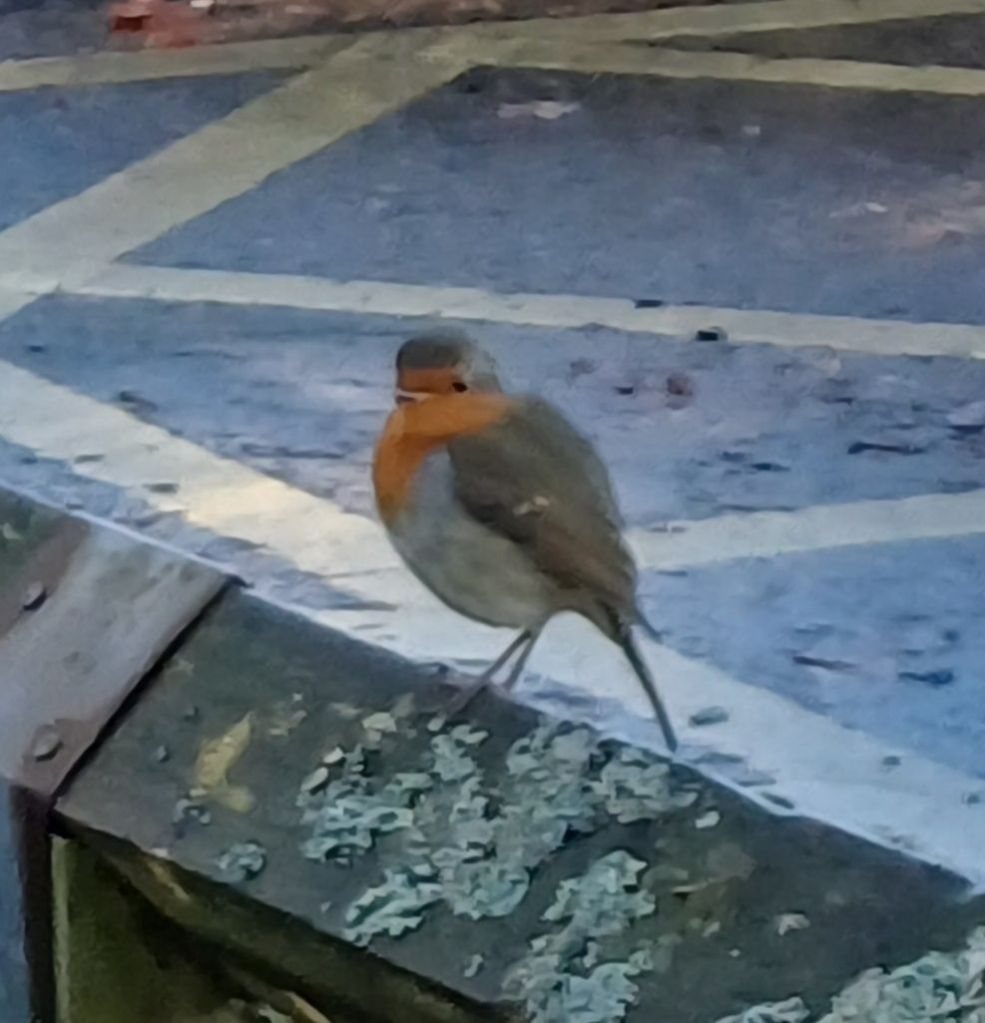
The Robin is easily identified by its red breast and brown back, along with its round body and slim tail. They are often a shy woodland bird which often feed on spiders, insects, worms, berries and seeds (RSPB Pocket Garden Birdwatch, 2009). They tend to live in open forests and woods, in bushy heaths or parks/gardens with hedges and shrubs.
Robin can be up to 14 cm in length, with a wingspan of 20-22cm and a weight og 14-21g, whilst also living up to 2 years. There is also 6.7 million robin territories in the UK (Natural History Museum, 2019). They can be found across Europe, parts of Asia and North Africa, which is why they are also known as European Robins.
Male and female robins look identical, with them both holding territories, as a pair in summer, but individually in winter. They can tend to be aggressive and territorial, singing loudly all-year round to defend their territory, with their voice being a sharp and quick tik (RSPB Pocket Garden Birdwatch, 2009).
The females are allowed to enter the males territory during courting, which begins in january, with the breeding season often starting in march, where the male robin will then help supply the female with food. The female robin will build its nest with dead leaves, moss and hair, building it low to the ground, but still hidden. However, if the robin believes their nests have been discovered, they will easily leave it (Natural History Museum, 2019). The female lays up to 6 eggs, and once they hatch, both the female and male will look after the nestlings for up to 14 days, yet are continued to be cared for, often by the male, for a few more weeks.
Robins young are brown and speckled, with them only developing their red breast after their first moult.
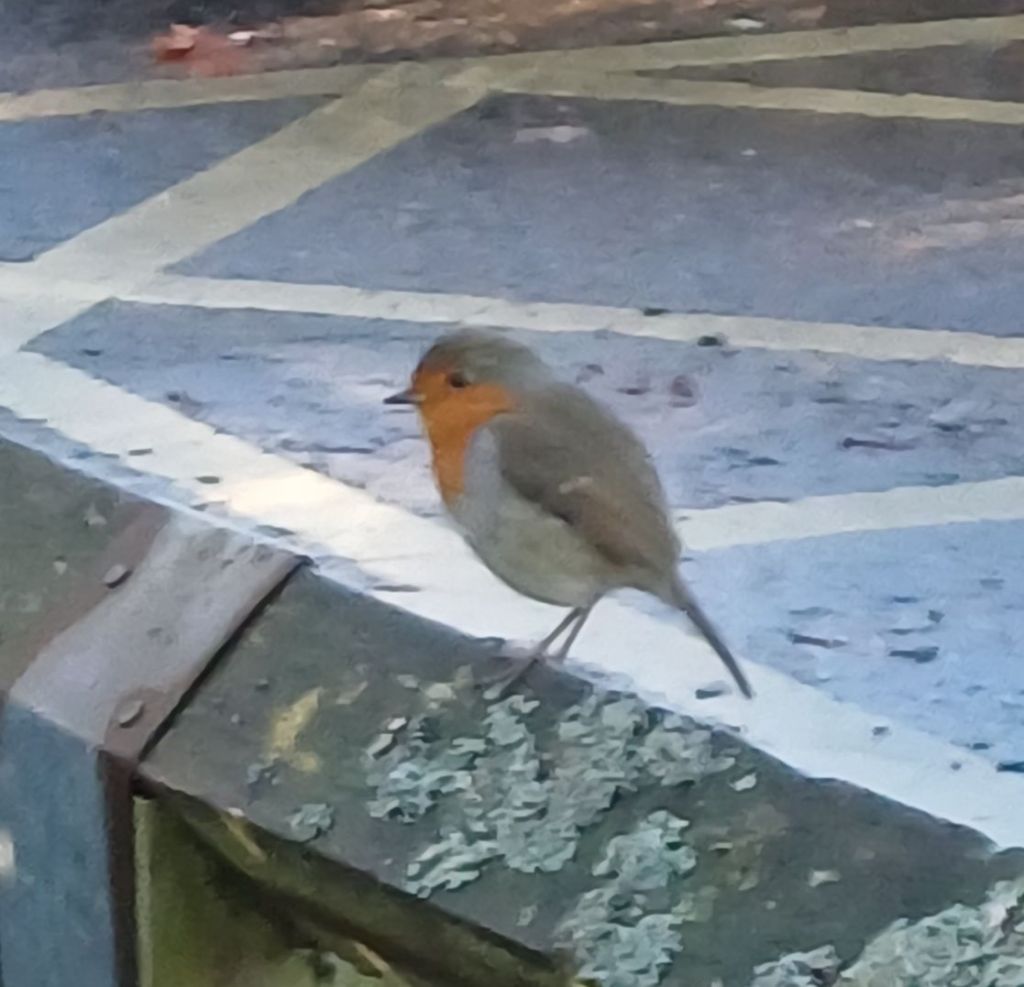
The robins population is continuing to rise, with it increasing by 45% since 1970 (Natural History Museum, 2019). Their main threat is the severe winter weather, as during cold nights, robins may use up to 10% of their body weight to keep them warm, which can be fatal, especially if they are not able to get enough food.
Robins are often seen as a Christmas bird, this first began in the Victorian era, due to postmen being nicknames robins due to their red waistcoats, which led to robins being put on christmas cards, which represented the postmen who delivered them (Natural History Museum, 2019). They have also been linked to christmas due to their association with christianity, as they believed that robins got their red breast from burning itself on a fire that it was fanning to keep baby Jesus warm within the manger, which was then passed onto future robins, to show their devotion to God (Songbird survival, 2023).
References
“Robin (Erithacus Rubecula) | Natural History Museum.” Nhm.ac.uk, 2019, http://www.nhm.ac.uk/discover/robin-erithacus-rubecula.html?utm_source=google&utm_campaign=news&utm_medium=grants&gad_source=1. Accessed 4 Dec. 2025.
“Robin Folklore.” Songbird-Survival.org.uk, 2023, http://www.songbird-survival.org.uk/post/robin-folklore. Accessed 4 Dec. 2025.
RSPB Pocket Garden Birdwatch. Dorling Kindersley Ltd, 2 Jan. 2009, p. 93.
 Jorja's Ecology Blog
Leave a comment